BRAND AWARENESS IS NOT YOUR GOAL
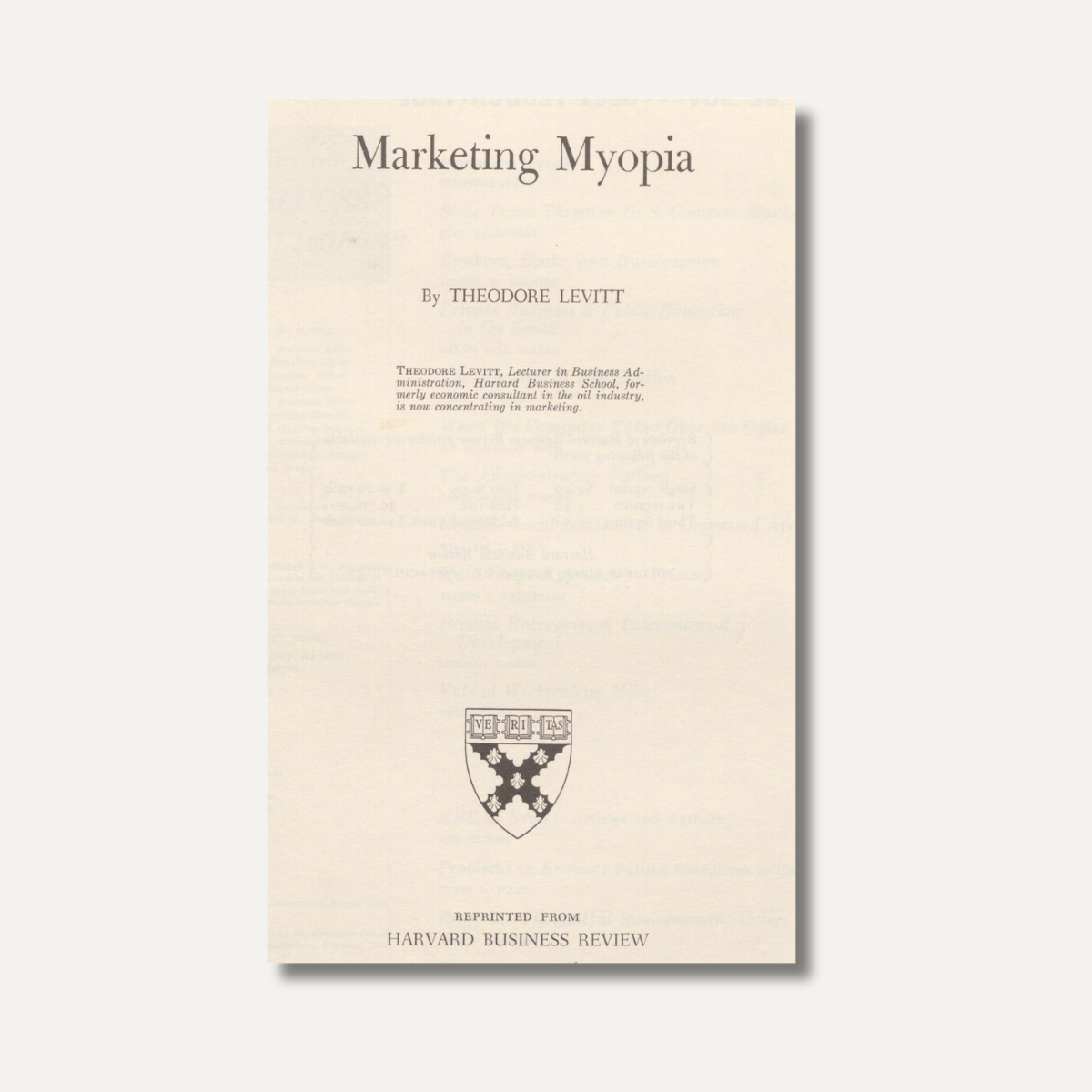
Since the Levitt study in the 1960s, Marketing Myopia on the syllabus of nearly every MBA program for a reason.
The still-relevant Levitt Study describes what happens when a company defines its business by what it makes rather than by the customer need it satisfies.
In tech, it’s practically an epidemic.
Companies lead with:
AI-powered platform
End-to-end solution
Grid optimization
Digital transformation
Accelerating the energy addition
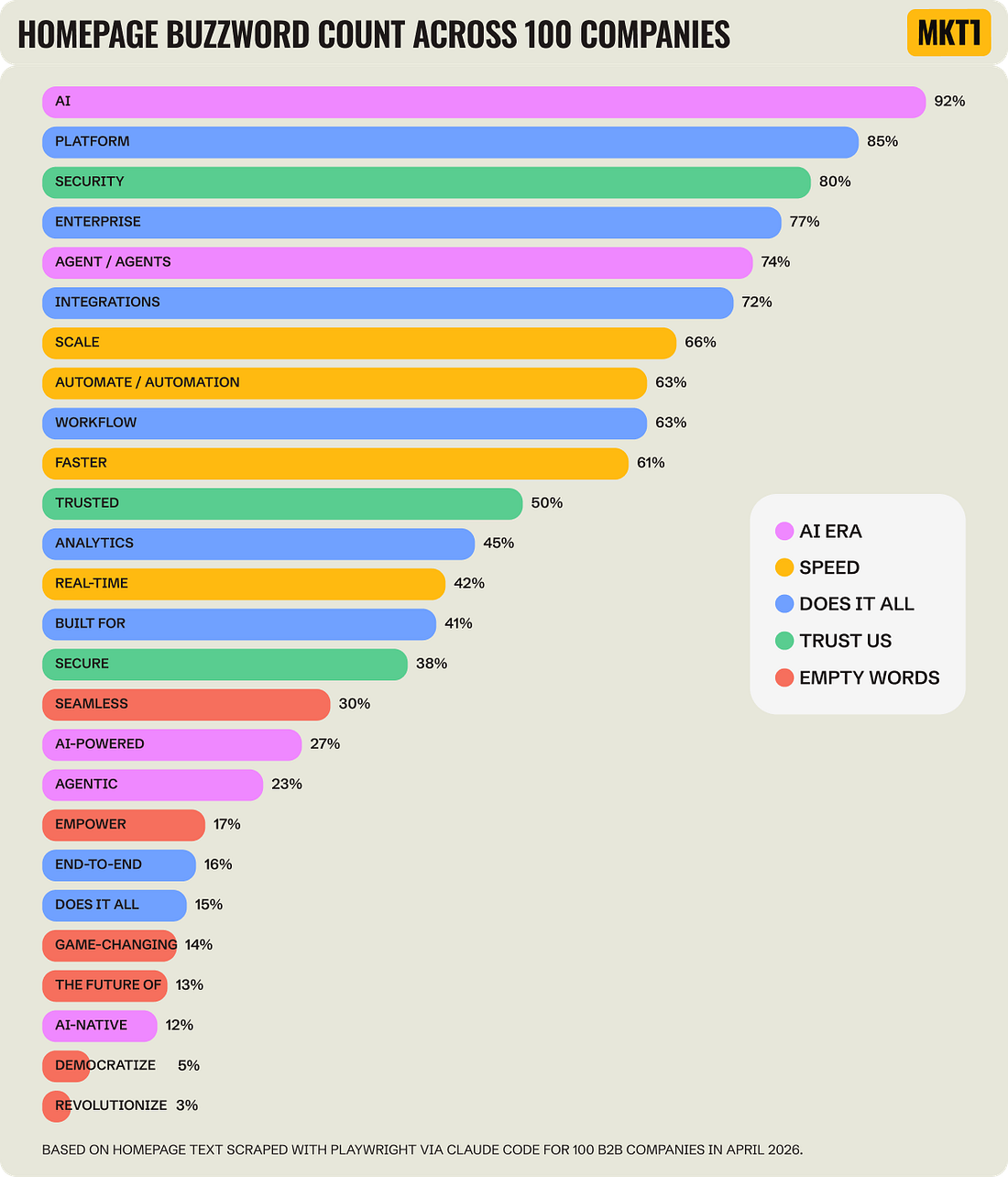
These words and phrases might describe the company or product, but they aren’t distinct or memorable, and they don’t describe your buyer’s problem.
The distinction between description and benefit matters because enterprise buyers don't buy based on your category label. They buy to resolve pain.
Pain = Change.
A utility leader may be trying to plan around volatile data-center load without detonating a capital plan.
A project developer may be trying to get through permitting, interconnection, financing, and supply-chain constraints before economics or policies change again.
Buying situations and your category are different. This is where market (category) and salience meet. Market orientation means looking at the business through the customer’s eyes, not from inside the company.
Salience means your brand is the one that leaps to mind when the problem shows up.
Most Founder/CEO/Brand Leaders ask, “How do we explain our platform better?”
What they should be asking is: “What urgent, expensive, or career-defining problem should make the right buyer think of us?”
Founders focus on solving big-picture problems (they are visionaries after all), and then marketing turns that into messaging. But your customer’s PAIN often shows up in much smaller moments.
Customers still using spreadsheets, consultants, and workarounds that technically work but extend project timelines
Clients relying on an incumbent system that won’t support the next wave of demand
Their infrastructure plan that works until load, cost, permitting, or reliability assumptions change
This is where brand positioning and your messaging align.
Make the cost of inaction visible.
Name the moment of pressure.
Show how a peer took a different approach.
Then, connect your brand position to that moment (pain).
A useful test for your website, investor deck, or campaign:
Complete this sentence without using the words platform, solution, AI, innovation, or energy addition.
“When [specific buyer] faces [specific operational, financial, regulatory, or infrastructure pressure], we are the company they should think of because [specific risk or cost we reduce].”
If the sentence is difficult to write, you don’t have a brand position and can’t create salience.
Because being known is nice. Being remembered when the stakes are high is better. (brand recall, brand preference … sales)
R&D Agency helps energy, infrastructure, industrial, and climate-adjacent companies move from product descriptions to market relevance and from awareness to salience.
*Read the OG source on salience: “Marketing Myopia” by Theodore Levitt —> companies lose relevance when they define themselves by what they make instead of the need they satisfy.